Friday, December 13, 2019

10 of the Most Nutritious Foods in the World


nutrition food

It’s time to start eating nutritious foods

Making changes to your diet is one of the easiest ways to manage and take control of your health. In addition to providing the energy you need, the foods you consume on a daily basis could also benefit your health in myriad of ways, from preventing cancer to protecting you against heart disease. Here are some of the world’s most nutritious foods that should be staples in your diet.
2 / 11
nutrition food


Avocados

Despite their fat, or actually because of it, nutritious foods like avocados can help lower your cholesterol naturally. Researchers find that replacing just five percent of your calories from saturated fat (think butter or cheese) with monounsaturated fat — the kind in avocados — could slash the risk of heart attack by more than a third. An added benefit: Avocados are also high in beta-sitosterol, a plant sterol that blocks the absorption of cholesterol from food, and the anticancer compound glutathione, a powerful antioxidant.


3 / 11
nutrition food

Beans

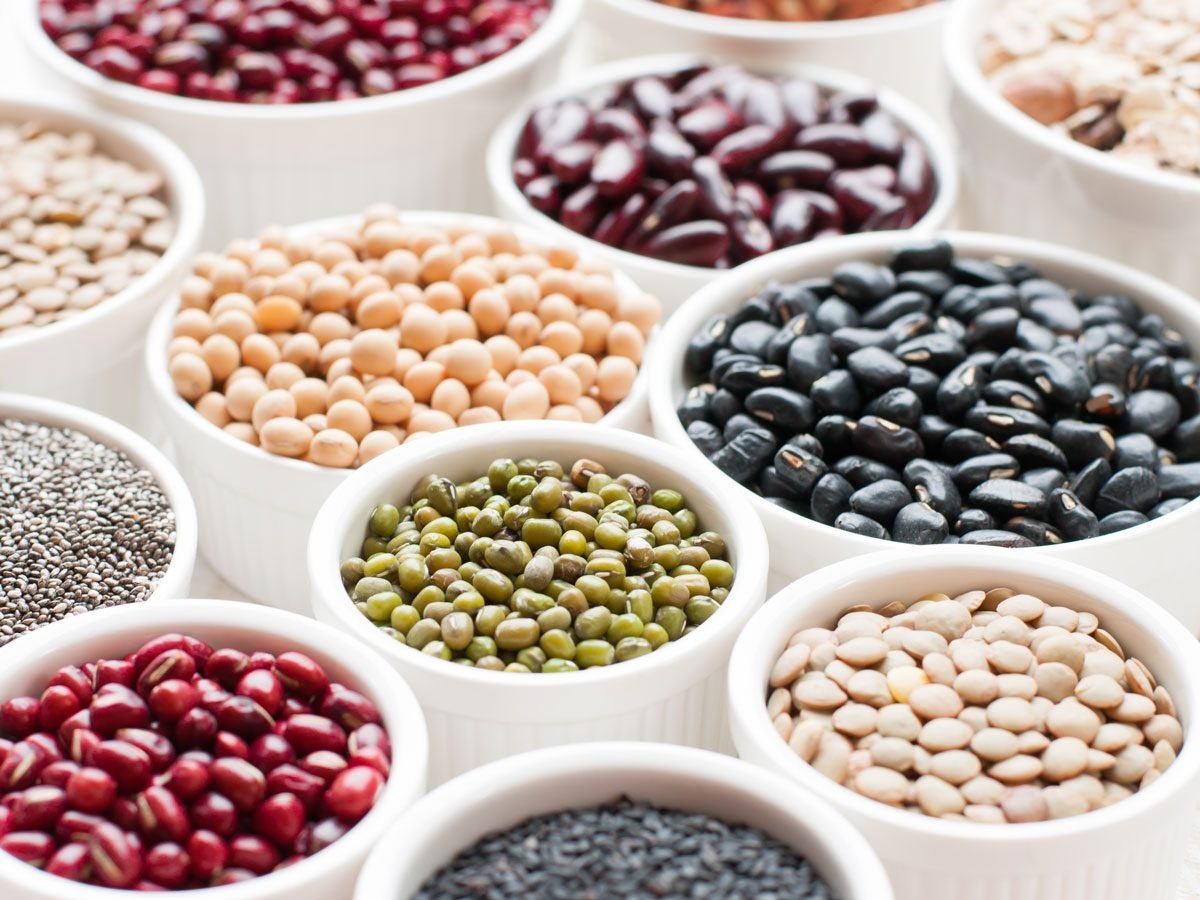
Beans are in fact good for your heart, thanks in large part to their soluble fibre, which soaks up cholesterol so the body can dispose of it before it can stick to artery walls. Studies find that diets high in soluble fibre can cut total cholesterol by 10 to 15 percent. The same soluble fibre, combined with beans’ protein, makes beans beneficial to blood sugar. Their magnesium helps relax arteries, giving blood more room to flow and lowering blood pressure. For a guest-pleasing side dish, try our Beans, Greens and Brown Butter Vinaigrette Salad.
4 / 11
nutrition food


Blueberries

The antioxidant plant pigments that make blueberries blue — flavonoids called anthocyanins — guard against heart disease, cancer and age-related blindness and memory loss. Like their cranberry cousins, blueberries (and blueberry juice) are tops when it comes to preventing urinary tract infections, thanks to antioxidant epicatechins, which keep bacteria from sticking to bladder walls. (Don’t miss the beauty benefits of this beloved fruit.) Plus, the fibre in blueberries makes them powerful antidotes for constipation.
5 / 11

nutrition food

Broccoli

Consider broccoli your number one cancer fighter, thanks to its sulfur compounds, such as sulforaphane, which you can smell as broccoli cooks. These compounds signal our genes to boost production of enzymes that detoxify potentially cancer-causing compounds. Eat more broccoli, and you could slash your risk of everything from breast and lung cancer to stomach and colon cancer by as much as half. Sulforaphane has also been found to kill the bacteria that causes ulcers. Broccoli’s also a surprising nondairy source of calcium and potassium, making it good for your bones as well as your blood pressure. Its vitamin C and beta-carotene protect your eyes from cataracts and safeguard your brain cells from memory-robbing attacks by free radicals. Boost your intake with this Broccoli, Cauliflower and Leek Soup.


8 / 11
nutrition food

Garlic

More health benefits have been ascribed to garlic than to just about any other food — and some of them even hold true. Garlic has antibacterial, antifungal and antiviral properties; it even appears to banish some antibiotic-resistant bacteria, at least in test tubes. Most of its disease-fighting potential comes from its sulfur compounds, which act as antioxidants, providing many of its cardiovascular benefits. Garlic lowers cholesterol only modestly, but it also acts as a blood thinner, reducing the formation of blood clots and your risk of heart attack and stroke. Just six or more cloves a week can slash your risk of colorectal, stomach and prostate cancer in half, compared to eating one clove a week or less. The sulfur compounds flush out carcinogens before they can damage cell DNA, and they force cancer cells that do develop to self-destruct. Read up on more of the surprising benefits of garlic.
nutrition food

Salmon

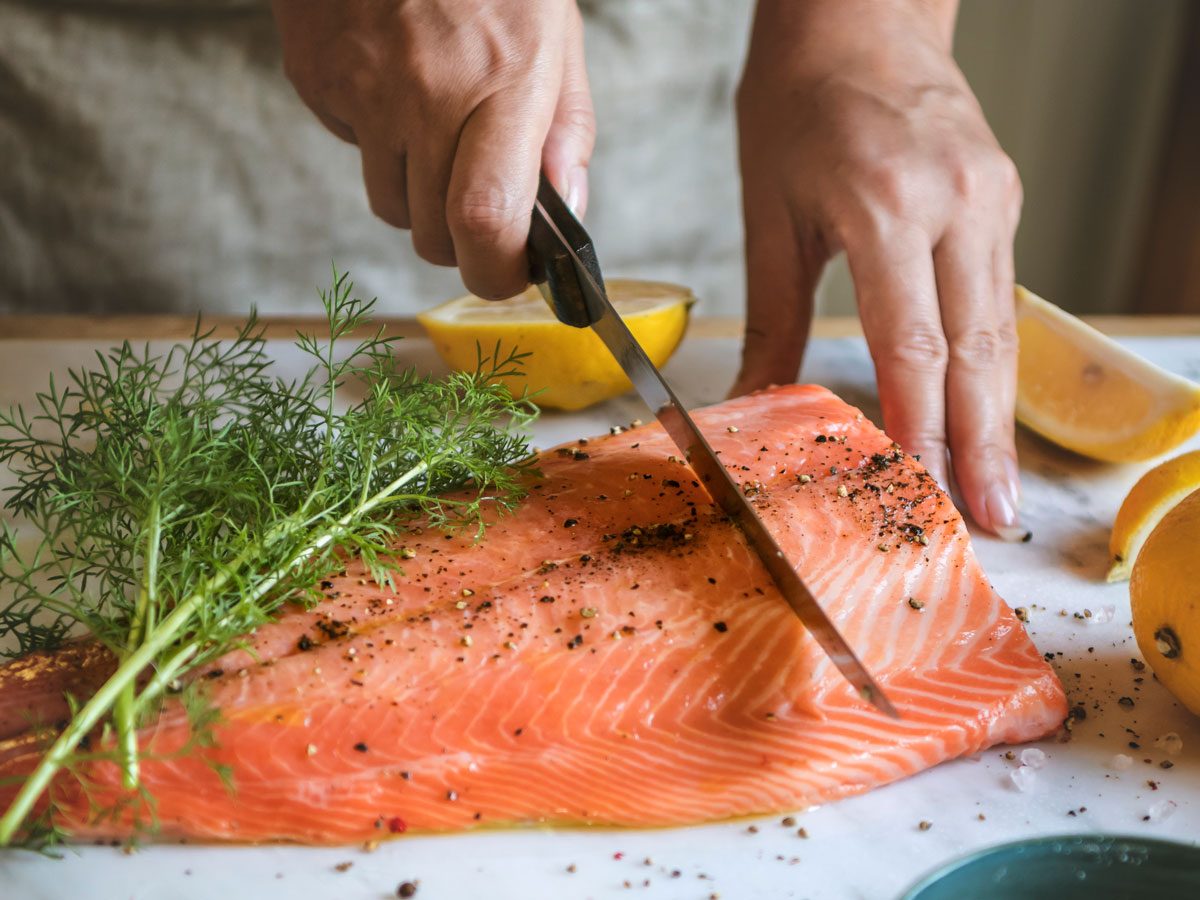
The fat in salmon is like liquid gold when it comes to your blood vessels. Just two servings of salmon a week can reduce your risk of dying from cardiovascular disease by 17 percent and your risk of having a heart attack by 27 percent. And the benefits appear to go beyond the heart. A Swedish study that followed more than 6,000 men for 30 years found that those who ate moderate amounts of fatty fish slashed their risk of prostate cancer by a third. And researchers recently found that people who had the highest levels of omega-3 fatty acids in their blood were 53 percent less likely to report feeling mildly or moderately depressed.
Cooking for two? Try our Miso-Glazed Baked Salmon recipe.
nutrition food

Spinach

In addition to protecting your eyes from age-related macular degeneration, thanks to its carotenoids, spinach has high concentrations of vitamin K, which can help maintain bone density and prevent fractures. The green stuff is also a powerful source of potassium and magnesium as well as folate, all of which can keep blood pressure low, reducing the risk of stroke. Folate also appears to slash the risk of lung cancer in former smokers. Here’s why you might want to go organic with your spinach.
nutrition food

Yogurt

Yogurt is a great source of bone-building calcium, but its real strength lies in live beneficial bacteria, known as probiotics, that keep down the growth of harmful bacteria in your gut. Too many “bad” bacteria can lead to gastrointestinal and other health problems. Eating more yogurt could help with inflammatory bowel disease, ulcers, urinary tract infections and vaginal yeast infections, to name a few conditions. Getting plenty of “good” bacteria from yogurt is particularly important when you take antibiotics, which wipe out all bacteria, good and bad, in your gut. Probiotics also produce immunity-enhancing compounds and natural antibiotics that help reduce levels of nasty bacteria in the gut. Enjoy yogurt for breakfast? Here are 14 healthy toppings worth adding.

Wednesday, December 11, 2019

Make your loyalty cards pay this Christmas with our great money

LOYALTY cards are almost as important as Christmas cards in December.
I have all kinds of tricks up my sleeve to save dosh on prezzies, and using store points is an easy win, especially as the average shopper has around £47.19 of unused loyalty points, according to reports.


The average Brit is sitting on almost £50 worth of points on unused loyalty cardsCredit: Alamy

Here’s how your store cards can seriously help you out with your Xmas buys . . .
Boots: With an Advantage Card, you get four points worth 1p for every £1 you spend. Download the Boots app and make a transaction in store to nab 200 extra points. Over 60? Join the Over-60s Hub and collect ten points for every £1 spent on brands including No7 and Natural Collection. If you’re already buying No7’s eye cream, £18, sign up to the app and you’ll have more than enough for a £2.99 Collection lipstick. A great stocking filler.
Save: £2.99 on a lipstick
Sainsbury's: You can collect Nectar points at Sainsbury’s, Esso and eBay, among other retailers. Use your card while paying for your weekly food shop and earn one point for every £1 spent. A point is usually worth 0.5p. Once you get 500, you can use them at Argos — that’s £2.50 off a kids’ toy.
Save: £2.50 on a toy
Tesco: Get one point for every £1 you spend in-store and online with a Clubcard. You can turn every 150 points into £1.50 vouchers, which are valid at reward partners including Goldsmiths. While 500 points equals £5 to spend in Tesco, you can trade them in for £15 partner vouchers. This means a £75 Goldsmiths ring only costs £25 in vouchers.
Save: Price of item of jewellery
Ikea: The Ikea Family card is a little different to the others, as you don’t accrue points. However, it does give you automatic discounts — mainly on home and children’s items. For example, you can get a £19 espresso maker for £13 until December 18. The best part? Sign-up is free.


Treat yourself this Christmas to a tray of Ferrero Rocher chocolates while they're on offer at Sainsbury's

FERRERO Rocher fans should pay a visit to Sainsbury’s to snap up a box of 42 for just £10, down from £13.


Why splash £12 on this festive wreath...

IF you’re looking to get a new Christmas wreath head to Argos to snap one up, below, for just £7.50, much cheaper than a similar one, above, sold at Wilko for £12.
KIDS will love Fruit Bowl Strawberry Peelers, grab a pack of five from Morrisons for £1.75, down from £2.25.
EVERY CODE YOU ENTER IS A TICKET: ONE lucky reader is in line for a bumper early Christmas present – thanks to our £50,000 Sun Raffle.
Every month YOU could win the super cash giveaway in our Sun Raffle just for reading this paper.
Entering could not be easier – simply download the Sun Savers app or sign up at sunsavers.co.uk.
Then, opt in to each month’s Sun Raffle by clicking “Yes!” when prompted and start collecting the codes printed daily inside the paper – scanning in the app or entering online.
Saturday November 9’s code is on Page 20.
The next big giveaway is on Saturday, November 30 – perfect for making it a Christmas to remember.
With every code you enter you will earn a Raffle ticket into that month’s £50,000 Raffle.
There is no limit to how many tickets you can collect per month, so make sure to enter as many codes as you can to give yourself the best chance of winning. Remember, you have got to be in it to win it.
Not already a Sun Savers member? Join Sun Savers today.
It only takes a minute to sign up – just search “Sun Savers” in the app store and then download the app, or head to sunsavers.co.uk. To get started, all you need to do is enter a few details.

Tuesday, December 10, 2019

Make your loyalty cards pay this Christmas with our great money

LOYALTY cards are almost as important as Christmas cards in December.
I have all kinds of tricks up my sleeve to save dosh on prezzies, and using store points is an easy win, especially as the average shopper has around £47.19 of unused loyalty points, according to reports.


The average Brit is sitting on almost £50 worth of points on unused loyalty cardsCredit: Alamy

Here’s how your store cards can seriously help you out with your Xmas buys . . .
Boots: With an Advantage Card, you get four points worth 1p for every £1 you spend. Download the Boots app and make a transaction in store to nab 200 extra points. Over 60? Join the Over-60s Hub and collect ten points for every £1 spent on brands including No7 and Natural Collection. If you’re already buying No7’s eye cream, £18, sign up to the app and you’ll have more than enough for a £2.99 Collection lipstick. A great stocking filler.
Save: £2.99 on a lipstick
Sainsbury's: You can collect Nectar points at Sainsbury’s, Esso and eBay, among other retailers. Use your card while paying for your weekly food shop and earn one point for every £1 spent. A point is usually worth 0.5p. Once you get 500, you can use them at Argos — that’s £2.50 off a kids’ toy.
Save: £2.50 on a toy
Tesco: Get one point for every £1 you spend in-store and online with a Clubcard. You can turn every 150 points into £1.50 vouchers, which are valid at reward partners including Goldsmiths. While 500 points equals £5 to spend in Tesco, you can trade them in for £15 partner vouchers. This means a £75 Goldsmiths ring only costs £25 in vouchers.
Save: Price of item of jewellery
Ikea: The Ikea Family card is a little different to the others, as you don’t accrue points. However, it does give you automatic discounts — mainly on home and children’s items. For example, you can get a £19 espresso maker for £13 until December 18. The best part? Sign-up is free.


Treat yourself this Christmas to a tray of Ferrero Rocher chocolates while they're on offer at Sainsbury's

FERRERO Rocher fans should pay a visit to Sainsbury’s to snap up a box of 42 for just £10, down from £13.


Why splash £12 on this festive wreath...

IF you’re looking to get a new Christmas wreath head to Argos to snap one up, below, for just £7.50, much cheaper than a similar one, above, sold at Wilko for £12.
KIDS will love Fruit Bowl Strawberry Peelers, grab a pack of five from Morrisons for £1.75, down from £2.25.
EVERY CODE YOU ENTER IS A TICKET: ONE lucky reader is in line for a bumper early Christmas present – thanks to our £50,000 Sun Raffle.
Every month YOU could win the super cash giveaway in our Sun Raffle just for reading this paper.
Entering could not be easier – simply download the Sun Savers app or sign up at sunsavers.co.uk.
Then, opt in to each month’s Sun Raffle by clicking “Yes!” when prompted and start collecting the codes printed daily inside the paper – scanning in the app or entering online.
Saturday November 9’s code is on Page 20.
The next big giveaway is on Saturday, November 30 – perfect for making it a Christmas to remember.
With every code you enter you will earn a Raffle ticket into that month’s £50,000 Raffle.
There is no limit to how many tickets you can collect per month, so make sure to enter as many codes as you can to give yourself the best chance of winning. Remember, you have got to be in it to win it.
Not already a Sun Savers member? Join Sun Savers today.
It only takes a minute to sign up – just search “Sun Savers” in the app store and then download the app, or head to sunsavers.co.uk. To get started, all you need to do is enter a few details.

Sunday, December 8, 2019

Make your loyalty cards pay this Christmas with our great money-saving tips

LOYALTY cards are almost as important as Christmas cards in December.
I have all kinds of tricks up my sleeve to save dosh on prezzies, and using store points is an easy win, especially as the average shopper has around £47.19 of unused loyalty points, according to reports.
 The average Brit is sitting on almost £50 worth of points on unused loyalty cards

Here’s how your store cards can seriously help you out with your Xmas buys . . .
Boots: With an Advantage Card, you get four points worth 1p for every £1 you spend. Download the Boots app and make a transaction in store to nab 200 extra points. Over 60? Join the Over-60s Hub and collect ten points for every £1 spent on brands including No7 and Natural Collection. If you’re already buying No7’s eye cream, £18, sign up to the app and you’ll have more than enough for a £2.99 Collection lipstick. A great stocking filler.
Save: £2.99 on a lipstick
Sainsbury's: You can collect Nectar points at Sainsbury’s, Esso and eBay, among other retailers. Use your card while paying for your weekly food shop and earn one point for every £1 spent. A point is usually worth 0.5p. Once you get 500, you can use them at Argos — that’s £2.50 off a kids’ toy.
Save: £2.50 on a toy
Tesco: Get one point for every £1 you spend in-store and online with a Clubcard. You can turn every 150 points into £1.50 vouchers, which are valid at reward partners including Goldsmiths. While 500 points equals £5 to spend in Tesco, you can trade them in for £15 partner vouchers. This means a £75 Goldsmiths ring only costs £25 in vouchers.
Save: Price of item of jewellery
Ikea: The Ikea Family card is a little different to the others, as you don’t accrue points. However, it does give you automatic discounts — mainly on home and children’s items. For example, you can get a £19 espresso maker for £13 until December 18. The best part? Sign-up is free.
Save: £6 on espresso maker
EVERY CODE YOU ENTER IS A TICKET: ONE lucky reader is in line for a bumper early Christmas present – thanks to our £50,000 Sun Raffle.
Every month YOU could win the super cash giveaway in our Sun Raffle just for reading this paper.
Entering could not be easier – simply download the Sun Savers app or sign up at sunsavers.co.uk.
Then, opt in to each month’s Sun Raffle by clicking “Yes!” when prompted and start collecting the codes printed daily inside the paper – scanning in the app or entering online.
Saturday November 9’s code is on Page 20.
The next big giveaway is on Saturday, November 30 – perfect for making it a Christmas to remember.
With every code you enter you will earn a Raffle ticket into that month’s £50,000 Raffle.
There is no limit to how many tickets you can collect per month, so make sure to enter as many codes as you can to give yourself the best chance of winning. Remember, you have got to be in it to win it.
Not already a Sun Savers member? Join Sun Savers today.
It only takes a minute to sign up – just search “Sun Savers” in the app store and then download the app, or head to sunsavers.co.uk. To get started, all you need to do is enter a few details.

Thursday, December 5, 2019

10 Healthy Lifestyle Tips for Adults

1. Eat a variety of foods 

For good health, we need more than 40 different nutrients, and no single food can supply them all. It is not about a single meal, it is about a balanced food choice over time that will make a difference!
  • A high-fat lunch could be followed by a low-fat dinner.
  • After a large meat portion at dinner, perhaps fish should be the next day’s choice?

2. Base your diet on plenty of foods rich in carbohydrates

About half the calories in our diet should come from foods rich in carbohydrates, such as cereals, rice, pasta, potatoes, and bread. It is a good idea to include at least one of these at every meal. Wholegrain foods, like wholegrain bread, pasta, and cereals, will increase our fibre intake.

3. Replace saturated with unsaturated fat

Fats are important for good health and proper functioning of the body. However, too much of it can negatively affect our weight and cardiovascular health. Different kinds of fats have different health effects, and some of these tips could help us keep the balance right:
  • We should limit the consumption of total and saturated fats (often coming from foods of animal origin), and completely avoid trans fats; reading the labels helps to identify the sources.
  • Eating fish 2-3 times a week, with at least one serving of oily fish, will contribute to our right intake of unsaturated fats.
  • When cooking, we should boil, steam or bake, rather than frying, remove the fatty part of meat, use vegetable oils.

4. Enjoy plenty of fruits and vegetables

Fruits and vegetables are among the most important foods for giving us enough vitamins, minerals and fibre. We should try to eat at least 5 servings a day. For example, a glass of fresh fruit juice at breakfast, perhaps an apple and a piece of watermelon as snacks, and a good portion of different vegetables at each meal.

5. Reduce salt and sugar intake

A high salt intake can result in high blood pressure, and increase the risk of cardiovascular disease. There are different ways to reduce salt in the diet:
  • When shopping, we could choose products with lower sodium content.
  • When cooking, salt can be substituted with spices, increasing the variety of flavours and tastes.
  • When eating, it helps not to have salt at the table, or at least not to add salt before tasting.
Sugar provides sweetness and an attractive taste, but sugary foods and drinks are rich in energy, and are best enjoyed in moderation, as an occasional treat. We could use fruits instead, even to sweeten our foods and drinks.

6. Eat regularly, control the portion size

Eating a variety of foods, regularly, and in the right amounts is the best formula for a healthy diet.
Skipping meals, especially breakfast, can lead to out-of-control hunger, often resulting in helpless overeating. Snacking between meals can help control hunger, but snacking should not replace proper meals. For snacks, we could choose yoghurt, a handful of fresh or dried fruits or vegetables (like carrot sticks), unsalted nuts, or perhaps some bread with cheese.
Paying attention to portion size will help us not to consume too much calories, and will allow us to eat all the foods we enjoy, without having to eliminate any.
  • Cooking the right amount makes it easier to not overeat.
  • Some reasonable serving sizes are: 100 g of meat; one medium piece of fruit; half a cup of raw pasta.
  • Using smaller plates helps with smaller servings.
  • Packaged foods, with calorie values on the pack, could aid portion control.
  • If eating out, we could share a portion with a friend.

7. Drink plenty of fluids

Adults need to drink at least 1.5 litres of fluid a day! Or more if it's very hot or they are physically active. Water is the best source, of course, and we can use tap or mineral water, sparkling or non-sparkling, plain or flavoured. Fruit juices, tea, soft drinks, milk and other drinks, can all be okay - from time to time.

8. Maintain a healthy body weight

The right weight for each us depends on factors like our gender, height, age, and genes. Being affected by obesity and overweight increases the risks of a wide range of diseases, including diabetes, heart diseases, and cancer.
Excess body fat comes from eating more than we need. The extra calories can come from any caloric nutrient - protein, fat, carbohydrate, or alcohol, but fat is the most concentrated source of energy. Physical activity helps us spend the energy, and makes us feel good. The message is reasonably simple: if we are gaining weight, we need to eat less and be more active!

9. Get on the move, make it a habit!

Physical activity is important for people of all weight ranges and health conditions. It helps us burn off the extra calories, it is good for the heart and circulatory system, it maintains or increases our muscle mass, it helps us focus, and improves overall health well-being. We don't have to be top athletes to get on the move! 150 minutes per week of moderate physical activity is advised, and it can easily become part of our daily routine. We all could:
  • use the stairs instead of the elevator,
  • go for a walk during lunch breaks (and stretch in our offices in between)
  • make time for a family weekend activity

10. Start now! And keep changing gradually.

Gradual changes in our lifestyle are easier to maintain than major changes introduced all at once. For three days, we could write down the foods and drinks we consume throughout the day, and make a note of the amount of movement we made. It won’t be difficult to spot where we could improve:
  • Skipping breakfast? A small bowl of muesli, a piece of bread or fruit, could help slowly introduce it into our routine
  • Too few fruits and vegetables? To start with, we can introduce one extra piece a day.
  • Favourite foods high in fat? Eliminating them abruptly could fire back, and make us return to the old habits. We can choose low fat options instead, eat them less frequently, and in smaller portions.
  • Too little activity? Using the stairs daily could be a great first move.